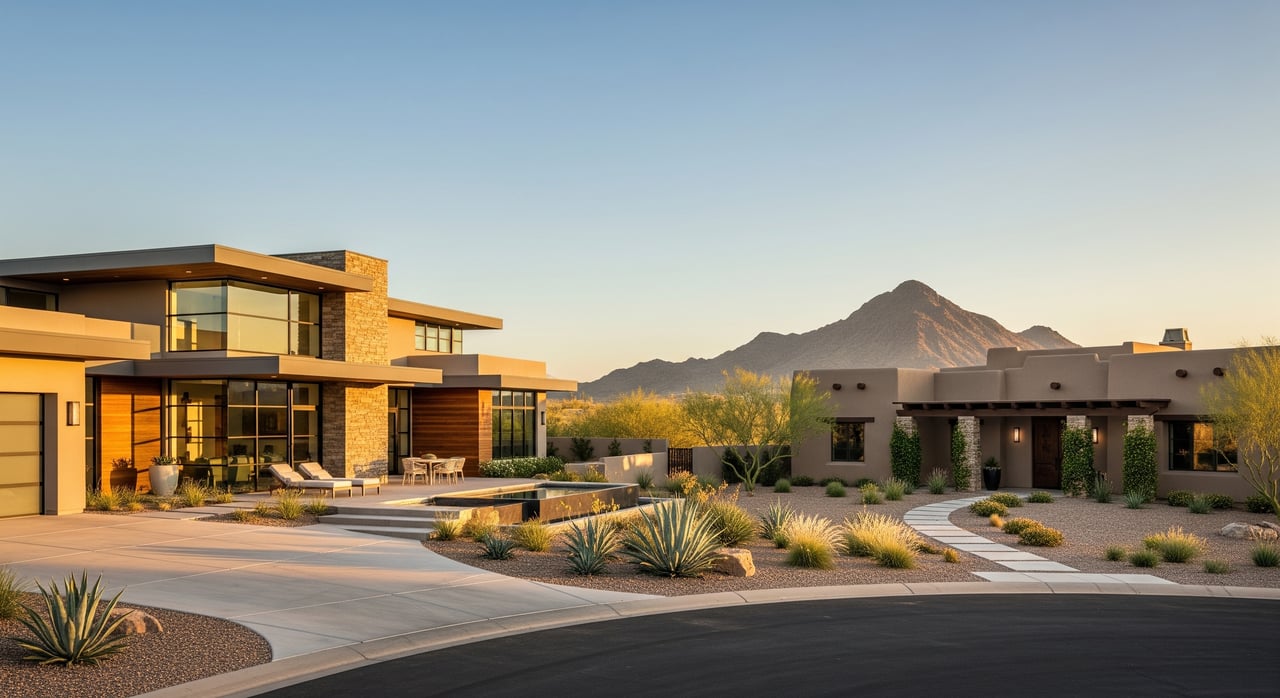
Trying to decide between a brand-new home and a resale in Peoria? You are not alone. Your choice affects your budget, commute, timeline, and even your day-to-day upkeep. In this guide, you will learn the real trade-offs on price, financing, timelines, inspections, HOAs, taxes, and long-term costs so you can move forward with clarity. Let’s dive in.
New build pros and trade-offs
New construction offers fresh designs and the chance to personalize finishes. Builders set a base price, then add options and upgrades, so your total cost can rise as you select features. Builders often advertise incentives such as closing cost help or rate buydowns, but these change often and may be conditional. The smartest move is to compare the net effective price after incentives and upgrades over the first 3 to 5 years.
Financing can differ from resale. You might use standard financing on a completed spec home or a construction-to-permanent loan for a build-to-order plan. Appraisals can be tricky if there are few comparable sales for your exact floor plan or community, which can create appraisal gap risk. Talk with a lender early to understand timelines, appraisal requirements, and any rate options.
Timelines vary. Build-to-order homes commonly take months from contract to move-in, and schedules can shift with materials or inspections. Spec inventory homes can shorten the wait, though selection is limited. If you need to move on a firm date, build timing should be a key factor.
Even new homes deserve third-party inspections. Plan for a pre-drywall inspection and a final inspection to catch code or workmanship issues such as HVAC balance, grading, or drainage. Most builders offer limited warranties, often one year for workmanship, several years for certain systems, and separate structural coverage depending on the builder. Get warranty documents upfront and learn the claim process, deadlines, and exclusions.
Resale pros and trade-offs
Resale homes reflect real-time market comps, the home’s condition, and neighborhood demand. You can often negotiate on price or request repairs and credits after inspections. You might also secure a one-year home warranty as a credit, which can help with certain systems or appliances.
Financing is more straightforward, with conventional, FHA, and VA loans common, subject to property eligibility. Appraisals compare the home to nearby sales, which helps ground the value. This path can offer fewer unknowns on financing structure.
Timelines are usually shorter. Many resale transactions close in about 30 to 60 days after contract acceptance, depending on loan type, inspections, and title work. If timing and immediate move-in matter to you, resale can be a strong fit.
Inspections on a resale should be thorough. Plan for a general home inspection, termite or pest report, and targeted checks for roof, HVAC, electrical or plumbing, and a sewer scope if warranted. Review seller disclosures and verify permit history for major work.
Location factors in Peoria
Commute and access matter in the northwest Phoenix metro. Many buyers weigh proximity to the Peoria Sports Complex, Lake Pleasant Regional Park, and shopping hubs against commute times to Phoenix, Deer Valley, and Surprise. Highway access and arterial routes are common decision drivers.
School boundaries can influence demand in many neighborhoods. The Peoria Unified School District and nearby charter or private options are part of many buyers’ research. Use neutral, verified sources for attendance boundaries and performance data as you compare areas.
Community type also shapes your experience. Newer subdivisions often rise on the city’s edges with modern floor plans and community amenities. Established neighborhoods can offer larger or mature landscaping and pre-set lot layouts with their own appeal.
HOAs, CCRs, and long-term costs
Many new subdivisions include active HOAs that manage common areas and amenities. CCRs can guide exterior design, landscaping, and modifications. Established neighborhoods may have different fee structures or enforcement histories, and some have no HOA at all. Ask for the HOA budget, reserve details, CCRs, and recent meeting minutes to spot upcoming assessments or rule changes.
Property taxes and special assessments should be part of your budget check. New developments may include bonds or special levies that add to annual costs. Review recent tax bills and assessment details through county records before you commit.
Plan for utilities and maintenance. New homes usually include newer, more efficient systems that can lower near-term energy and repair costs. Resales may have higher initial upkeep needs, such as roof, HVAC, water heater, or pool equipment. Build a replacement timeline into your comparison so you see the real cost of ownership.
Timeline comparison
| Path | Typical timeframe | Notes |
|---|---|---|
| Resale purchase | 30 to 60 days | Dependent on loan, inspections, title work |
| Spec new home | 30 to 90 days | Limited plan and location selection |
| Build-to-order new home | 4 to 12 months | Subject to materials, inspections, and builder schedule |
Cost comparison steps
- Price it right: Compare recent sold comps near your target area and adjust for lot size, home age, upgrades, and floor plan function.
- Get incentive sheets: For new builds, request current builder incentives and run a net cost comparison that includes buydowns, credits, and upgrades.
- Add HOA and assessments: Review HOA fees, budgets, CCRs, and any special assessments. Include likely increases.
- Include utilities and maintenance: Factor in energy use, system ages, and likely repairs or replacements in the first 5 to 10 years.
- Model appraisal outcomes: Ask your lender about appraisal risk on a new floor plan with limited comps and plan for a gap if needed.
Decision checklist
- Customization vs timing: Choose new if you want to personalize layout and finishes and can wait. Choose resale if you need a faster move-in and prefer established character.
- Maintenance tolerance: Choose new if you want lower near-term repairs. Choose resale if you are open to updates in exchange for location, lot features, or price.
- Budget flexibility: Choose new if builder incentives and energy savings help your plan and you can manage upgrade costs. Choose resale if you prefer price negotiation and clearer comps.
- Investment horizon: Choose new if you accept development-phase risk as amenities build out. Choose resale if you want a stabilized area with established demand patterns.
What to request next
- Recent sold and active comps in your micro-area with adjustments for lot size, age, and upgrades.
- Current builder incentive sheets plus net price scenarios that include buydowns and option costs.
- HOA documents: CCRs, fee schedules, budgets, and management contacts.
- Builder warranty documents and claim procedures, or a proposed home warranty plan for resale.
- Recent tax bills and any special assessment history from county records.
- Permit history for major work on resales and permit status for new builds.
- Lender pre-approval and a review of appraisal risk for your chosen plan or property type.
- Inspection lineup: general, termite, roof, HVAC, sewer scope, and pool if applicable.
- Timeline scenarios for resale, spec, and build-to-order so you can plan your move.
Ready to compare real options in Peoria and the West Valley? Let a local advisor organize the data and walk you through the trade-offs, step by step. For a tailored plan and a concierge-style experience, connect with Jenna Walsh to get started.
FAQs
Will builder incentives lower my total cost?
- Incentives can reduce upfront cash or monthly payments, but the real answer depends on the net effective price after upgrades, credits, and any temporary buydowns over the first 3 to 5 years.
How strict are CC&Rs in Peoria neighborhoods?
- Enforcement varies by HOA. Review CCRs, budgets, and recent meeting minutes, and contact the management company to understand design rules, approvals, and compliance trends.
Should I inspect a brand-new home?
- Yes. Schedule independent inspections at pre-drywall and final stages to catch code and workmanship items such as HVAC balance, grading, or drainage before you close.
How do appraisals work on new construction?
- Appraisers may have limited comps for your exact plan, which can create an appraisal gap. Plan early with your lender and discuss options if the appraisal comes in low.
Are there special taxes or assessments on new lots?
- Some new subdivisions include bonds or special assessments. Review recent county tax bills and assessment details for the lot before you sign.
What should I budget for 5 to 10 years?
- For resales, plan for possible roof, HVAC, water heater, and pool equipment needs. New homes often have lower early maintenance, but you should still budget for normal system lifecycles and HOA dues.