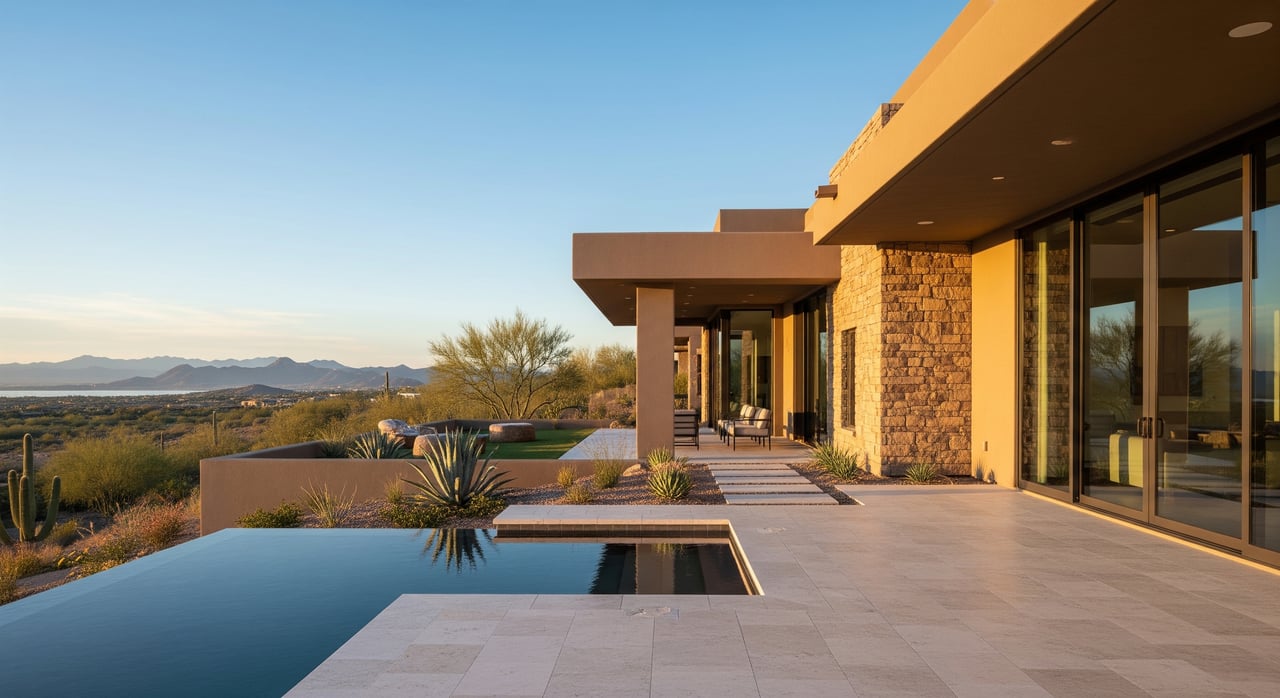
Thinking about trading winter coats for sunshine, trail time, and a backyard with mountain views? If you are exploring where to land in the West Valley, Peoria deserves a close look. You will find a range of neighborhoods, a true desert lifestyle, and easy access to both city conveniences and open space. In this guide, you will learn how Peoria is laid out, what daily life feels like, and how to match neighborhoods with your goals. Let’s dive in.
Why Peoria appeals
Peoria sits in the Phoenix metro and blends suburban comfort with Sonoran Desert scenery. You will meet a mix of families, professionals who commute across the Valley, and a strong 55-plus community presence. The city includes historic pockets, master-planned neighborhoods, and areas that back right up to desert recreation.
City services and community programming are a point of pride. You can explore parks, events, and planning updates on the City of Peoria site to get a sense of what is happening now and what is coming next.
Neighborhoods at a glance
Peoria spreads north to south, with lifestyle and housing options shifting by area. Here is a simple tour so you can focus your search.
Old Town and Rio Vista area
Want a more walkable, small-district feel? Old Town Peoria and the Rio Vista area offer historic charm, local dining, and community events. Sports fans also gravitate here for spring training and tournaments at the Peoria Sports Complex. Housing mixes older single-level homes with newer infill and townhome pockets nearby.
West Peoria and Westbrook Village corridor
This corridor is known for large active-adult communities and golf-oriented living. If you want amenities like pools, clubs, and planned activities, you will find a range of age-restricted options alongside low-maintenance homes. HOA-managed neighborhoods often include landscaping care and community programming.
North Peoria and Vistancia
Head north and you will see newer master-planned communities, including well-known areas like Vistancia. These neighborhoods often feature community parks, pools, trails, and clubhouses. Floor plans trend contemporary, with energy-minded features and both single- and two-story homes aimed at a mix of families and active adults.
Lake Pleasant corridor
Closer to Lake Pleasant Regional Park, you get a gateway to boating, fishing, camping, and quiet desert sunsets. Homes here range by lot size and style. Many buyers choose this area for quick access to Lake Pleasant Regional Park and the open desert.
South and east adjacency areas
Neighborhoods closer to major arterials often offer faster access to freeway corridors and job hubs across the West Valley and central Phoenix. Housing here is a blend of older subdivisions and newer infill. If your commute matters most, this is a smart area to include in your tour list.
Housing types and HOA basics
Single-family homes dominate Peoria. In older areas you will see classic ranch and southwestern styles, often single level. Newer subdivisions lean contemporary with open layouts, larger kitchens, and flexible loft spaces. Condos and townhomes exist in pockets but are less common than detached homes.
Many master-planned and 55-plus communities include HOAs. Fees vary based on amenities such as pools, gyms, golf, and gated entries. Before you make an offer, review the CC&Rs, fee schedule, and any architectural rules. If low-maintenance living is your priority, HOA services can be a real value. If you prefer more freedom with landscaping or parking, a non-HOA neighborhood may fit better.
Desert climate and daily life
Peoria has a hot desert climate. Summers are long and very warm, with July highs commonly in the low to mid 100s Fahrenheit across the Phoenix area. Winters are mild and comfortable. You can review regional patterns through NOAA climate normals and keep seasonal safety top of mind with National Weather Service monsoon safety guidance.
Here is how that affects your day-to-day:
- Energy and AC: Cooling drives summer utility bills. When you tour homes, check the age and capacity of the AC, insulation, window condition, and shade landscaping.
- Outdoor routine: In summer, most people hike, walk dogs, or bike in the morning and evening. Winter becomes peak outdoor season.
- Landscaping and water: Xeriscaping and drip irrigation are common. Ask sellers about irrigation systems, watering schedules, and any water district notes.
- Monsoon season: From about July to September, plan for thunderstorms, wind, dust storms, and localized street flooding. Roof condition, drainage, and covered patio space often matter more here than in cooler climates.
Commutes and getting around
Many residents commute to downtown Phoenix, Glendale, Surprise, and north Phoenix job centers. Typical one-way drives for central destinations often fall in the mid 20 to mid 30 minute range outside rush hour, with peak traffic adding time. Your experience will vary by neighborhood and route.
- Freeway access: Loop highways and state routes make cross-Valley travel manageable. Follow Arizona Department of Transportation project updates for improvements that can change drive times.
- Transit options: Valley Metro bus service serves Peoria and regional routes. Light rail does not extend into Peoria at this time. Park-and-ride options exist in parts of the West Valley, and commuter rail is not available directly in the city.
- Trails and bikes: Walk and bike paths vary by neighborhood. Master-planned communities typically maintain internal trails and parks.
Everyday amenities and recreation
Schools and education
Much of Peoria is served by the Peoria Unified School District. Boundaries and programs change over time, and parts of the city may be in adjacent districts. Always confirm the assigned schools for a specific address and review the latest district or state performance information.
Parks, sports, and outdoors
If outdoor time is a must, you will love how close Peoria is to the desert. Boat or fish on weekends at Lake Pleasant Regional Park, then spend weeknights at local parks, golf courses, and community rec centers. Spring brings baseball to the Peoria Sports Complex, along with youth tournaments and seasonal events.
Healthcare and services
You will find urgent care and outpatient centers throughout and near Peoria. Full-service hospitals are located across the West Valley and in central Phoenix. Many residents travel into the metro’s larger medical centers for specialty care, which is typical of suburban living.
Shopping and dining
From neighborhood grocery centers to regional retail corridors, everyday shopping is convenient. Old Town hosts dining and small cultural events, while bigger entertainment options sit along major arterials and in nearby cities.
Costs, safety, and practical questions
- Property taxes: Arizona property taxes are generally moderate compared with many states. Actual bills depend on assessed value and local levies. Check the Maricopa County Assessor for parcel-specific details.
- HOA fees: These can vary widely based on amenities. Request the fee schedule, reserves, and recent meeting notes so you know what is included.
- Crime and safety: Conditions vary by neighborhood. Review recent data from the Peoria Police Department or FBI UCR reports and visit at different times of day to get a feel for the area.
- Insurance and hazards: Verify flood zone status and drainage around the home. During monsoon season, watch for localized street flooding and wind. Good roof maintenance and yard drainage help.
What is coming next
Northern master-planned areas continue to build out, and new commercial services often follow new rooftops. Transportation improvements can shift commute times and buyer demand, so keep an eye on Arizona Department of Transportation project updates and city planning updates through the City of Peoria. Water management is an ongoing focus in desert cities; review city resources for conservation programs and policy updates.
Quick buyer checklist
Use this to focus your search and avoid surprises:
- Confirm the exact school boundary for the property and review district updates.
- Request HOA CC&Rs, fee schedule, architectural rules, and reserve studies.
- Ask for recent utility bills and note AC age, capacity, and service history.
- Check flood zone status, drainage, and roof condition.
- Review recent neighborhood-level crime data from official sources.
- Test drive your commute at both peak and non-peak times.
- Verify parking, RV storage, rental rules, and pet policies if relevant.
Ready to explore Peoria?
Whether you are relocating, right-sizing, or buying your first home, you deserve a calm, well-planned search. If you want a local advisor who pairs neighborhood insight with modern tools like IDX search, instant valuations, and custom market reports, reach out to Jenna Walsh. Let’s build a plan that fits your goals, budget, and timeline.
FAQs
Is Peoria, AZ good for outdoor recreation?
- Yes. Residents enjoy easy access to neighborhood parks, golf courses, and desert trails, plus boating, fishing, and camping at nearby Lake Pleasant Regional Park.
How hot are summers in Peoria and how do residents cope?
- Summers are very hot, with July highs commonly in the low to mid 100s across the Phoenix area; most people plan outdoor time for mornings or evenings and prioritize strong AC and shade.
Which Peoria areas have newer homes and amenities?
- North Peoria, including communities like Vistancia, features newer master-planned neighborhoods with parks, pools, trails, and clubhouses.
Does Peoria have public transit or light rail access?
- Valley Metro operates local and regional bus routes in Peoria, while light rail currently serves Phoenix, Tempe, and parts of Mesa but does not extend into Peoria.
Are there 55-plus communities in Peoria?
- Yes. The West Peoria and Westbrook Village corridor includes large active-adult neighborhoods with amenities, programming, and HOA-managed services.
What should I know about HOAs and fees in Peoria?
- Fees vary based on amenities, so request CC&Rs, the fee schedule, and any rental or architectural rules before you buy to ensure the community fits your needs.