Wondering why some Peoria homes sell quickly while others sit and chase the market with price cuts? In a market where many homes are still selling close to list price, the details matter. If you want to sell with less stress and fewer surprises, the right plan starts with smart pricing and a polished presentation. Let’s dive in.
Price for Today’s Peoria Market
Peoria is not a market where you can simply name a high number and expect buyers to stretch. Recent local snapshots show a market that is balanced to somewhat competitive, with homes often selling near list price but taking longer than they did during peak seller-market conditions. According to Zillow’s Peoria market data, the average home value is $485,361, homes go pending in about 38 days, and the median sale price is $482,500.
Other sources show slightly different numbers, and that is normal. Redfin’s Peoria housing market page reports a February 2026 median sale price of $503K, a median 71 days on market, and a 97.8% sale-to-list ratio, while Realtor.com’s Peoria market data describes Peoria as a balanced market with a 47-day median days-on-market figure and a 99% sale-to-list ratio. These are not contradictions because each platform uses different methods, coverage, and definitions.
The big takeaway for you is simple: buyers are still paying close to asking price for well-positioned homes, but overpricing can cost you time and leverage. That matters even more when 31.2% of Peoria homes had price drops in February 2026. In this kind of market, accurate pricing is not optional.
Use Neighborhood-Specific Comps
One of the biggest pricing mistakes sellers make is relying on broad city averages. Peoria has meaningful price differences from one area to another, so the right list price should come from your immediate market, not a citywide headline number. Realtor.com neighborhood data shows medians ranging from about $343,500 in Pine and $422,450 in Westbrook Village to $644,500 in Vistancia, $678,495 in Northpointe, and $744,995 in Mesquite.
That range is exactly why same-neighborhood comps matter. If your home is in Vistancia, a broad Peoria average will not tell the full story. If your property is in Westbrook Village or another active-adult area, your pricing strategy should reflect the homes buyers are actually comparing yours against.
Anchor Price on Closed Sales
The strongest pricing method is a comparative market analysis based on recent closed sales. According to Fannie Mae’s comparable sales guidelines, comparable homes should have similar physical and legal characteristics, including site, room count, finished area, style, and condition, and they should come from the same market area when possible. Fannie Mae also requires at least three closed comparables in the sales comparison approach.
Zillow’s guide to choosing comps supports that same approach. It recommends using at least three similar homes that sold within the past 3 to 6 months, ideally nearby and similar in square footage, bed and bath count, age, condition, and property type. In plain terms, you want the most apples-to-apples sales possible.
Know What Active Listings Really Mean
It is tempting to price your home based on what nearby listings are asking. The problem is that active listings show competition, not proven value. Zillow notes that current and pending homes should not be the main basis for value because only a closed sale shows what a buyer actually paid.
That does not mean active listings are useless. They help you understand what buyers will see alongside your home and where your property fits in the current lineup. Think of sold homes as your value anchor and active listings as your competition check.
Adjust for Condition and Features
Price per square foot can be a helpful starting point, but it is not enough on its own. Fannie Mae’s adjustment guidance explains that comparable sales may need adjustments for things like concessions and market changes over time. Zillow also points out that condition, age, and location matter, so two homes with similar size can still justify different prices.
That is especially true if your home has meaningful updates or visible deferred maintenance. A remodeled kitchen, newer flooring, strong curb appeal, or a better lot position may help support your number. On the other hand, outdated finishes, worn paint, or repair issues can affect how buyers value the home.
Why Overpricing Backfires
In a market where homes are selling near list price, it can be tempting to test the ceiling. But if you start too high, buyers may scroll past your listing or wait to see if you reduce the price later. That can lead to fewer showings, a longer time on market, and less negotiating power.
With Peoria showing both balanced conditions and a notable share of price cuts, the first list price matters. Buyers are informed, and they are comparing your home against recent sales and current options. A strategic price often creates better activity than a hopeful one.
Prepare Your Home for a Strong First Impression
Once price is set, preparation becomes the next priority. The good news is that most sellers do not need a full remodel to compete. A practical, focused prep plan usually goes much further than expensive upgrades.
The National Association of Realtors defines staging as cleaning, decluttering, repairing, depersonalizing, and updating the home so buyers can picture themselves in the space. That is a helpful way to think about preparation overall. You are not trying to make your home perfect. You are trying to make it easy for buyers to connect with it.
Start With the Basics
If you want to know what matters most before listing, the data is pretty clear. In NAR’s 2025 survey, the most commonly recommended prep steps were decluttering, whole-home cleaning, curb appeal improvements, professional photos, and minor repairs. Those are the items most likely to improve your home’s presentation without turning the process into a renovation project.
A smart pre-listing checklist often includes:
- Decluttering countertops, shelves, and storage areas
- Deep cleaning the entire home
- Touching up paint and handling small repairs
- Refreshing the front entry and yard
- Replacing burnt-out bulbs and improving lighting
- Removing highly personal decor
These steps help your home feel cared for, open, and move-in ready. That is what many buyers are looking for.
Focus on the Rooms Buyers Notice First
You do not always need to stage every room. NAR’s 2025 data found that living rooms, primary bedrooms, and dining rooms are the spaces most commonly staged. That tells you where sellers often get the best return on effort.
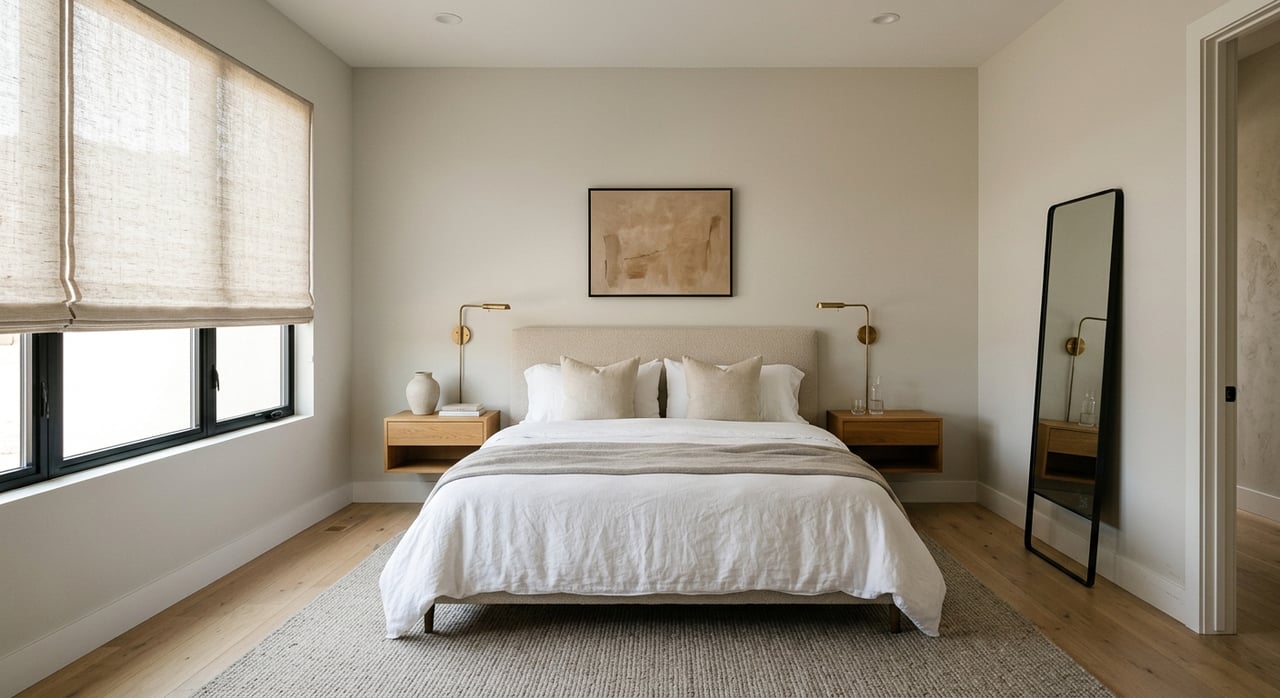
If your budget is limited, start with the main spaces buyers see first and use most. A clean, well-arranged living room and a calm primary bedroom can go a long way. If the home is vacant, virtual staging can also be a useful tool for helping buyers understand how the space lives.
Make Staging Practical, Not Overwhelming
Some sellers hear the word staging and imagine expensive furniture rentals or a major design project. In reality, staging can be partial and very practical. It may be as simple as removing extra furniture, neutralizing decor, and improving the flow of the room.
That effort can pay off. In NAR’s 2025 survey, 83% of buyers’ agents said staging made it easier for buyers to visualize the property as a future home. Among sellers’ agents, 19% said staging increased the dollar value offered by 1% to 5%, and 30% said it slightly reduced time on market.
Don’t Skip Professional Photos
Your online presentation matters because many buyers will see your home online before they ever schedule a showing. In the same NAR survey, 88% of sellers’ agents said photos were much more important or more important to clients than many other marketing tools. That makes photography one of the most important parts of your launch.
This is also consistent with the local market. Phoenix REALTORS’ Listing Media Services include professional photography, high-resolution floorplans, and virtual tours, which shows how much polished media is expected in today’s environment. If your home looks strong in person, your listing media should reflect that from day one.
Timing Matters Less Than Readiness
You may also wonder if you should wait for the perfect time to list. Zillow’s seasonal research suggests seller returns often improve starting in March and peak in late May nationally, though timing can vary by metro. That can be helpful as a broad reference, but it should not outweigh pricing and preparation.
In Peoria, your results are more likely to improve when your home is ready, well-priced, and well-presented. Trying to time the exact best week matters less than launching with a clean, compelling listing that matches what buyers expect. Readiness beats guesswork.
Your Best Sell Plan in Peoria
If you are preparing to sell in Peoria, the winning formula is usually straightforward. Price the home using recent, nearby closed sales. Then make sure the home is clean, repaired, visually inviting, and professionally presented online.
That approach fits the market we are in now. Homes are still selling close to list price, but buyers have options and pricing mistakes can linger. If you want a smart, local strategy for your next move, Jenna Walsh PLLC can help you evaluate your home, understand the comps, and create a launch plan that feels clear and manageable.
FAQs
How should I price my Peoria home before listing?
- Use at least three recent closed sales from your same market area when possible, and compare homes with similar size, layout, style, and condition.
Should I use active listings to set my Peoria list price?
- Use active listings to understand your competition, but anchor your price on closed sales because they show what buyers actually paid.
What home prep matters most before selling in Peoria?
- The most important steps are decluttering, deep cleaning, improving curb appeal, making minor repairs, and getting professional photos.
Is staging worth it for a Peoria home sale?
- Yes. Staging helps buyers picture themselves in the home and may help with both offer strength and time on market.
Why do Peoria market statistics look different on each website?
- Different platforms track different data sets and definitions, so the numbers vary, but the overall message is similar: Peoria is fairly balanced, and pricing discipline still matters.
Do I need to remodel my Peoria home before selling?
- Usually not. Most sellers benefit more from cleaning, decluttering, small repairs, and strong presentation than from taking on a major renovation.